" height="21px" id="aE25rWru5" transform="translate(6.02 1.01)" width="11.666710897329551px"/></svg>)
" height="20.000028433930208px" id="C8QbQu0ua" transform="translate(2.3 1.72)" width="18px"/></svg>)
" height="15.27606666666667px" id="Mxk6Ub6Mo" transform="translate(0.386 7.539)" width="4.790326666666639px"/><path d="M 10.066 0.05 C 9.89 0.028 9.702 0.017 9.514 0.005 C 6.832 -0.105 5.32 1.485 4.79 2.169 C 4.647 2.356 4.581 2.467 4.581 2.467 L 4.581 0.425 L 0 0.425 L 0 15.701 L 4.581 15.701 L 4.79 15.701 C 4.79 14.145 4.79 12.599 4.79 11.043 C 4.79 10.204 4.79 9.365 4.79 8.527 C 4.79 7.489 4.713 6.385 5.232 5.436 C 5.673 4.641 6.468 4.244 7.362 4.244 C 10.011 4.244 10.066 6.639 10.066 6.86 C 10.066 6.871 10.066 6.882 10.066 6.882 L 10.066 15.767 L 14.857 15.767 L 14.857 5.8 C 14.857 2.39 13.124 0.381 10.066 0.05 Z" fill="rgb(83, 83, 83)" height="15.767187855553347px" id="rDScQOEBh" transform="translate(8.069 7.158)" width="14.85668000000002px"/><path d="M 2.781 5.563 C 4.318 5.563 5.563 4.318 5.563 2.781 C 5.563 1.245 4.318 0 2.781 0 C 1.245 0 0 1.245 0 2.781 C 0 4.318 1.245 5.563 2.781 5.563 Z" fill="rgb(83, 83, 83)" height="5.562959999999999px" id="TT9KpTsO5" width="5.5629599999999755px"/></svg>)
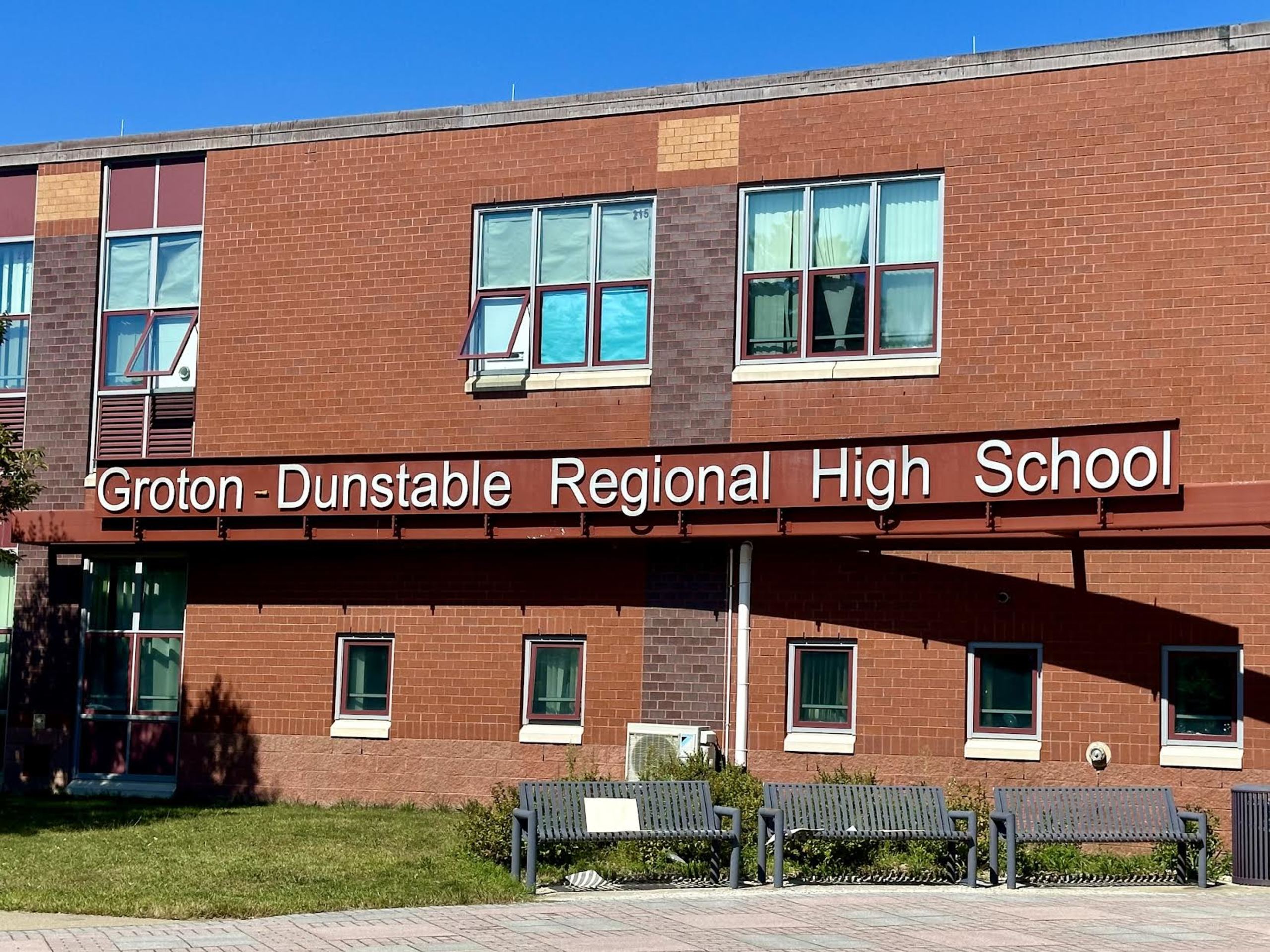
A Forward-Thinking District with a Unique Approach
Groton-Dunstable Regional School District in Massachusetts serves just under 2,500 students across five schools. At the high school level, the district takes a progressive approach to technology, students are allowed to access social media during the school day.
When Groton-Dunstable banned phones during the school day, a new distraction surfaced:
“We’ve implemented a no-phones policy, students can’t have them on their person, and they have to be powered off. But we still see students jumping on Snapchat using their school-issued Chromebooks.”
— Dr. Luke Callahan, Director of Technology & Digital Learning
Autonomy mattered, but leadership needed data to answer two urgent questions:
What are students really doing online?
How can we support healthy engagement without micromanaging?
Visibility Gaps in Traditional Tools
Despite using web filters and SSO systems, the district struggled to get a clear, actionable view of how students spent time online during school hours.
“Our filtering tools give us rows and rows of raw event data, like, a student interacted with Snapchat 50 times, but there’s no aggregation. We don’t know how long they were actually on it or when. That kind of data just isn’t usable by teachers or leadership.”
Compounding the issue, many of the free educational resources students rely on aren’t integrated into the district’s SSO system, meaning usage goes completely untracked.
“Our current systems don’t tell us how much something is being used. So when it comes time to decide whether to renew or drop a product, we’re mostly relying on teacher anecdotes. We were thinking of investing in platforms like Brisk or Newsela, but we had no clear idea how often they were being used. That’s a tough position to be in when every dollar counts.”
Screen Time: A Growing Concern
For Luke, screen time isn’t just a tech issue—it’s a learning issue, a focus issue, and increasingly, a wellness issue. National research highlights the growing impact of excessive screen time on student focus, mental health, and academic performance. According to recent studies from organizations like Common Sense Media and Pew Research Center, students are spending more time than ever on screens, often outside of educational use, leading to increased concerns around attention, anxiety, and sleep.
“When students switch tabs to Snapchat during class, their brains don’t instantly come back on task. There’s a recovery time. That moment of distraction has a real cost, it chips away at their ability to stay present and engaged.”
And while phone policies have helped limit mobile distractions, Chromebooks remain a significant challenge.
“We’re providing the devices that are causing disengagement. Some students take them home and spend hours on YouTube or other social media sites at night. It’s hard to intervene without data, but GoTeacher gives us the insight we need to start addressing it.”
Why GoTeacher
With GoTeacher, Luke and his team finally had access to real-time, easy-to-understand insights into both academic and non-academic activity. The platform made identifying patterns, red flags, and supporting district-wide decisions simple.
“GoTeacher gives us the full spectrum of what students are doing. If a student is on YouTube for hours or we’re seeing 1,500 hours across the high school on social media in a month, that’s a red flag.”
Zooming out, GoTeacher also provides a district-wide snapshot of student engagement.
“We’re seeing 10,000 to 12,000 websites being visited every month. GoTeacher’s AI categorization breaks that down in a really helpful way, whether it’s learning tools, entertainment, social media, gaming, or AI tools. It gives us a high-level snapshot that would be impossible to get from other systems.”
The platform also helps the district monitor concerning trends, like non-focused activity during school hours, high social media usage, or even late-night screen time. The presentation of this data is intentional: it’s clear and actionable without being invasive.
“It’s not invasive, which I appreciate. It’s high-level enough that we can make smart, data-driven decisions without micromanaging students.”
Beyond screen time, GoTeacher is helping Luke’s team track software usage and maximize return on investment.
“We can add contract info directly into the platform and track whether tools are actually being used. That’s been huge for understanding ROI. The GoTeacher team has been really responsive; they’ve even taken care of entering and updating contract data whenever we sign something new. That kind of support makes a big difference.”
Where We Go From Here
With clearer insight, Luke focuses on turning data into lasting change. He’s working to bring GoTeacher’s insights into strategic conversations with district leaders, curriculum directors, and families.
“I want to walk in with a clear picture: here’s how many hours are going to social media, here’s what’s happening after midnight, here’s what’s being used in class. And then we can decide, together, what to do about it.”
From restricting YouTube access to teacher-controlled embeds to exploring “quiet hours” for devices at night, the district is exploring policies grounded in evidence, not guesswork.
The team is also testing automatic alerts for concerning screen time patterns—so staff can intervene early if students appear distracted, disengaged, or struggling.
“Ultimately, it’s not about surveillance—it’s about support. GoTeacher helps us create a learning environment where students can be focused, teachers can be confident, and families can know we’re paying attention to the right things.”